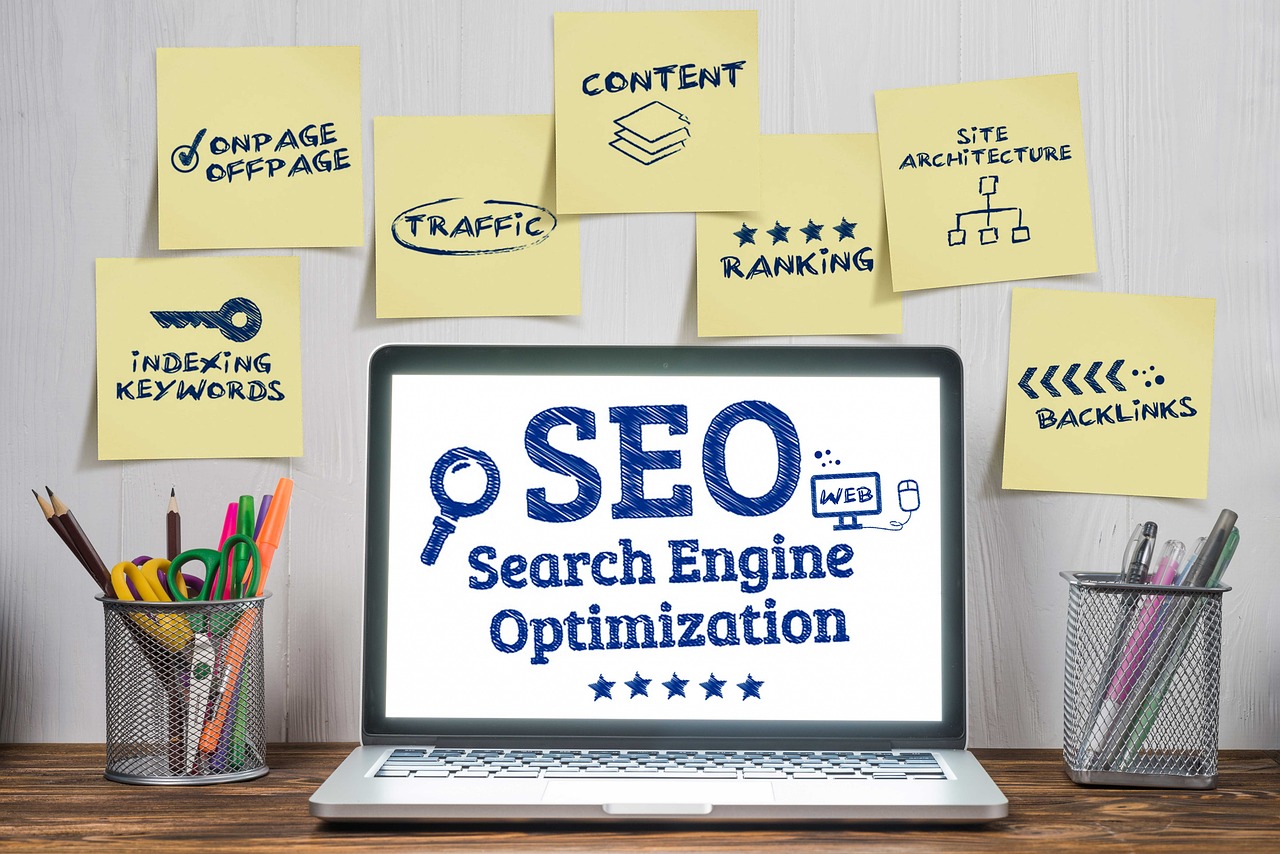
In today’s digital landscape, affiliate marketing SEO hub strategies are crucial for driving traffic and increasing revenue. This comprehensive guide is designed to equip affiliate marketers with the tools and knowledge needed to excel in on-page SEO optimization, a key component of their overall success. By focusing on specific tactics and leveraging powerful keyword research tools, affiliates can create compelling content that ranks highly in search engines and attracts high-quality visitors.
Table of Contents
- Understanding Affiliate Marketing SEO
- Keyword Research: The Foundation of On-Page SEO
- Optimizing Your Affiliate Website for Search Engines
- Crafting Compelling Content That Converts
- Enhancing SEO with Internal Linking
- Utilizing Meta Tags and Description Optimization
- Measuring and Analyzing Your SEO Performance
- Conclusion
Understanding Affiliate Marketing SEO
Affiliate marketing SEO hub strategies involve optimizing your website and content to rank higher in search engine results pages (SERPs). This, in turn, increases organic traffic from relevant audiences who are likely to engage with your affiliate offers. On-page SEO is a critical aspect of this process, as it ensures that your site provides valuable information while signaling to search engines the relevance of your content for specific keywords and topics.
Why On-Page SEO Matters
- Increased Organic Traffic: Well-optimized pages are more likely to appear in top SERP positions, drawing in a steady stream of free, targeted visitors.
- Improved User Experience: On-page optimization ensures that your site is easy to navigate and provides value to visitors, leading to lower bounce rates.
- Higher Conversion Rates: By aligning content with search intent, you attract users who are more likely to convert into customers or complete desired actions.
Keyword Research: The Foundation of On-Page SEO
Keyword research is the cornerstone of any successful affiliate marketing SEO hub strategy. It involves identifying relevant keywords and keyphrases that your target audience uses when searching for products or services related to your niche. By incorporating these keywords naturally into your content, you can significantly enhance your site’s visibility in search results.
Choosing the Right Keyword Research Tools
- Google Keyword Planner: Offers insights into monthly search volumes and competition levels for various keywords.
- Ahrefs: Provides comprehensive keyword research, including backlinks, content volume, and keyword difficulty metrics.
- SEMrush: Includes a wide range of tools, such as keyword analytics, competitor analysis, and site audit features.
- Ubersuggest: Offers suggestions for related keywords and analyzes search trends to predict future demand.
Types of Keywords to Target
- Headings and Main Keywords: These are the primary terms your target audience uses when searching for specific topics.
- Long-Tail Keywords: Longer, more specific phrases with lower competition that can attract highly qualified leads.
- Local Keywords: Important for local businesses or services; these keywords include location-specific search terms.
- Voice Search Keywords: Optimized for voice assistants like Siri or Alexa, these often use natural language queries.
Optimizing Your Affiliate Website for Search Engines
A well-structured and optimized affiliate website is essential for attracting search engines and keeping them engaged. Here are some key strategies to consider:
1. Site Structure and Navigation
- Clear Hierarchy: Organize your content into categories and subcategories with a logical flow, making it easy for users and search engines to navigate.
- XML Sitemaps: Create an XML sitemap to help search engines understand the structure of your site and find all your pages.
- Mobile Responsiveness: Ensure your website is fully responsive, as mobile usability is a significant ranking factor.
2. URL Optimization
- Clean and Descriptive URLs: Use keywords in your URLs to provide context to both users and search engines.
- Dynamic URLs vs. Static Pages: While dynamic URLs can be useful for content that frequently changes, static HTML pages load faster and are easier for search engines to index.
3. Site Speed Optimization
- Page Load Times: Faster loading times improve user experience and are favored by search engines. Tools like Google PageSpeed Insights can help identify areas for improvement.
- Caching and Compression: Implement caching and compression techniques to reduce page load times.
Crafting Compelling Content That Converts
Content is king in affiliate marketing, and creating high-quality, engaging content that converts is a key part of your affiliate marketing SEO hub strategy. Here’s how to do it effectively:
1. Identify User Intent
Understand the search intent behind your target keywords—whether users are looking for information, comparisons, or product reviews. Tailor your content to match this intent.
2. Provide Value and Solutions
Offer valuable insights, solutions, or answers that address the needs of your audience. This builds trust and encourages them to engage with your affiliate offers.
3. Use Engaging Formats
Diversify your content by incorporating various formats, such as:
- Blog Posts: Comprehensive guides and in-depth reviews.
- Videos: Product demonstrations or tutorial series.
- Infographics: Visually appealing data representation.
- Podcasts: Interviews or discussions related to your niche.
4. Optimize with Keywords
Naturally incorporate relevant keywords throughout your content, including:
- Title and Headings: Use main keywords in H1 and subheading (H2, H3) tags.
- Content Body: Include keywords in the first paragraph, as well as throughout the text, ensuring a 1-2% keyword density.
- Image Alt Text: Add descriptive alt text to images with relevant keywords.
Enhancing SEO with Internal Linking
Internal linking is a powerful strategy to improve both user experience and search engine visibility. By strategically linking to other relevant pages on your site, you can:
- Spread Page Authority: Pass link equity between pages, helping all your content rank higher in SERPs.
- Improve Navigation: Guide users to related content, keeping them engaged and reducing bounce rates.
- Highlight Important Content: Draw attention to key resources or product pages within your affiliate site.
Best Practices for Internal Linking
- Relevancy: Link only to content that is relevant to the user’s current topic of interest.
- Natural Language: Use natural phrasing that reads smoothly, such as "as discussed in our previous post…"
- Anchor Text Diversity: Vary your anchor text (the clickable text) to appear more organic and avoid keyword stuffing.
- Focus on Long-Tail Keywords: Internal links should target specific long-tail keywords to attract highly qualified users.
Utilizing Meta Tags and Description Optimization
Meta tags and descriptions play a crucial role in both user experience and SEO. They provide a snapshot of your content, appearing in SERPs as the page title and description, respectively.
Optimizing Title Tags
- Length: Keep titles concise, ideally between 50-60 characters.
- Keywords: Include main keywords at the beginning for maximum impact.
- Call to Action (CTA): Incorporate a subtle CTA to encourage clicks (e.g., "Learn More").
Crafting Compelling Meta Descriptions
- Accuracy: Describe the content accurately and avoid using keywords out of context.
- Persuasiveness: Include a strong CTA and highlight unique selling points or benefits.
- Length: Keep descriptions between 150-160 characters to ensure they display fully in SERPs.
Measuring and Analyzing Your SEO Performance
Regularly monitoring your affiliate marketing SEO hub performance is essential for making data-driven decisions and optimizing your strategies. Utilize the following tools and metrics:
- Google Analytics: Track key metrics such as organic traffic, bounce rates, and conversion rates.
- Google Search Console: Monitor search visibility, click-through rates (CTRs), and keyword rankings.
- SEMrush or SimilarWeb: Analyze backlink profiles, competitor keywords, and industry trends.
- A/B Testing: Experiment with different headlines, meta descriptions, or call-to-actions to optimize conversion rates.
Conclusion
Mastering on-page SEO optimization is a critical step for affiliate marketers looking to thrive in today’s digital landscape. By implementing the strategies outlined in this affiliate marketing SEO hub guide—from keyword research and website structure to content creation and internal linking—you can significantly enhance your search engine rankings, attract high-quality traffic, and drive conversions.
Remember, SEO is an ongoing process that requires continuous learning, adaptation, and optimization. Stay updated with industry trends, experiment with new tactics, and always keep your content fresh and engaging. With a solid SEO hub in place, you’ll be well on your way to affiliate marketing success.